"Preventing Nuclear Terrorism" (2016), On Thinks Tanks / The Belfer Center
An episode of On Thinks TV, an ongoing web series produced with On Think Tanks, profiling new research at leading think tanks in the US. Here, Dr. Matthew Bunn of the Belfer Center for Science & International Affairs at the Harvard Kennedy School, discusses how to keep nuclear weapons out of terrorist hands.

"How Place Matters for Economic Mobility" (2016), The Urban Institute
With more research showing the impact that neighborhoods have on the economic trajectories of their residents, this short video produced for The Urban Institute features interviews and presentations from leading experts discussing the many facets of economic mobility and actions that can be taken by the public and private sectors, individuals and communities to address economic inequality across the U.S.

"Early Learning Toolkit" (2016), Results for Development
Aimed at education practitioners working in developing countries, these short training videos impart research findings and best practices regarding effective strategies for early childhood education. MediaTank was hired to produce two videos, one focusing on Mother-Tongue Instruction (below) and one focusing on Targeted Instruction.
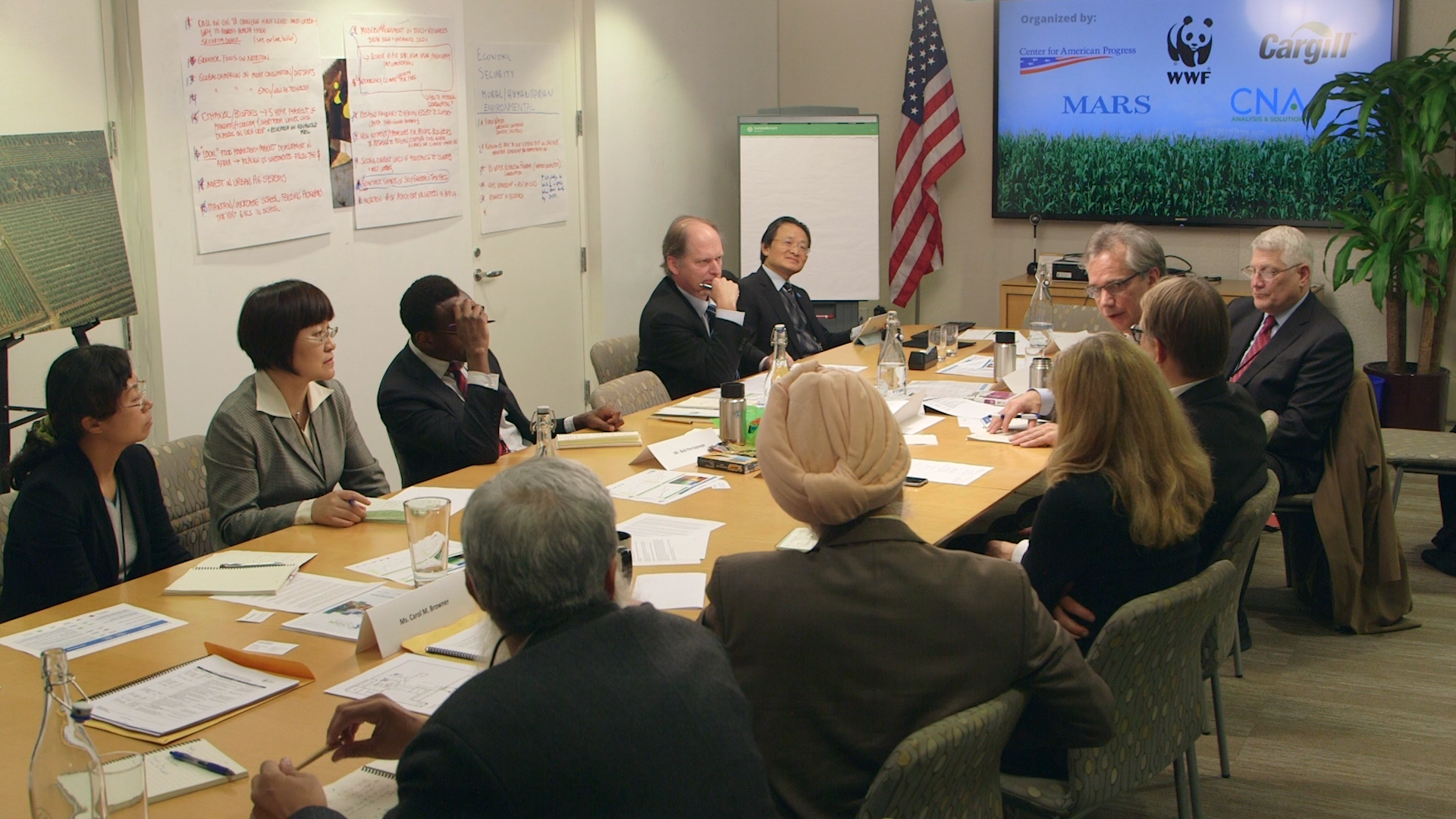
"Food Chain Reaction" (2015), Center for American Progress, World Wildlife Fund
This short documentary chronicles "Food Chain Reaction" - a food security simulation that brought together 65 policy makers from around the world and threw them into a fictional global food crisis set in the years 2020 - 2030. The video highlights the urgency of food security and its connection to other pressing issues like climate change, population growth and political instability. The simulation was put on by the Center for American Progress, the World Wildlife Fund, CNA, Mars and Cargill.
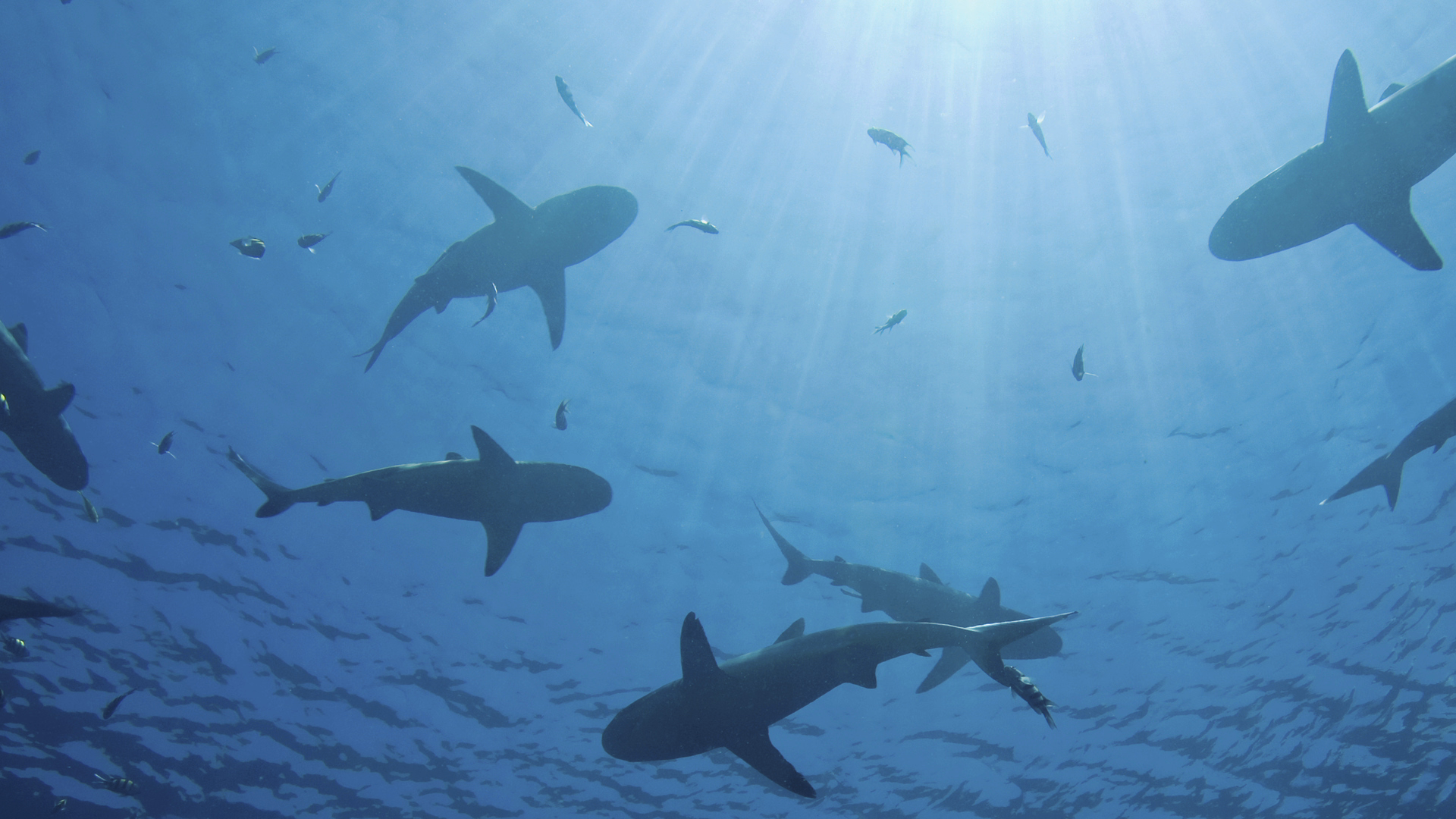
"Think Like A Tree" (2015), Wired
This 10-part series made with Wired Magazine and featured on AOL.com, explores the growing field of biomimicry - the idea of copying design principles from nature to build a more sustainable world. This mini-episode, "Sharks Save Lives," focuses on the potential of mimicking sharkskin to ward off deadly bacteria in hospitals.
"Wiring the Amazon" (2014), The New York Times
Made as an "Op-Doc" for The New York Times, this short documentary chronicles the development of a small Peruvian village in an isolated part of the Amazon Jungle.

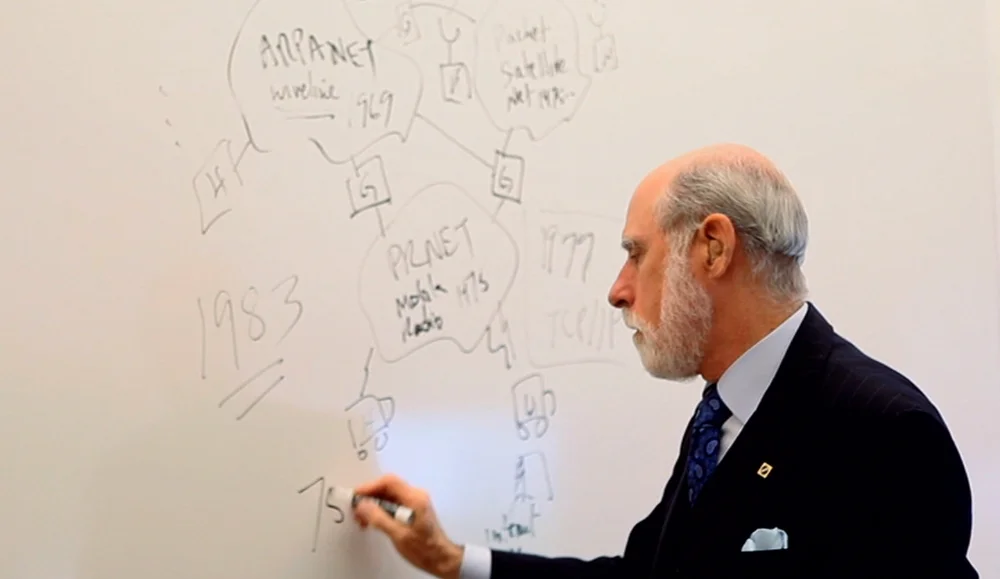
"The Evolution of the Internet" (2014)
Part of series of short films about the Internet and digital technology, this documentary was released on the popular tech blog, "The Next Web" in 2014. It features "Father of the Internet," Vint Cerf explaining how the Internet has evolved in the decades since the original ARPANET was created in 1969.
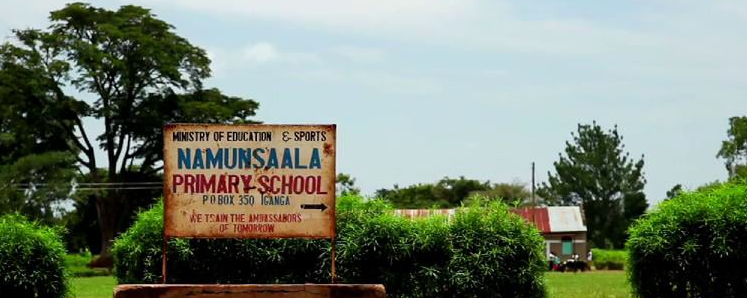
"Tapping Student Leaders" (2012), Results for Development
Produced as part of a series of documentary shorts about the importance of working with local partners on economic development, this short documentary profiles an organization in Uganda that is working with students to combat the problem of teacher absenteeism in public schools.